Fourteen years of looking at things
Every frame here still carries what the camera recorded when the shutter opened. You can browse the work by the lens it was made with.

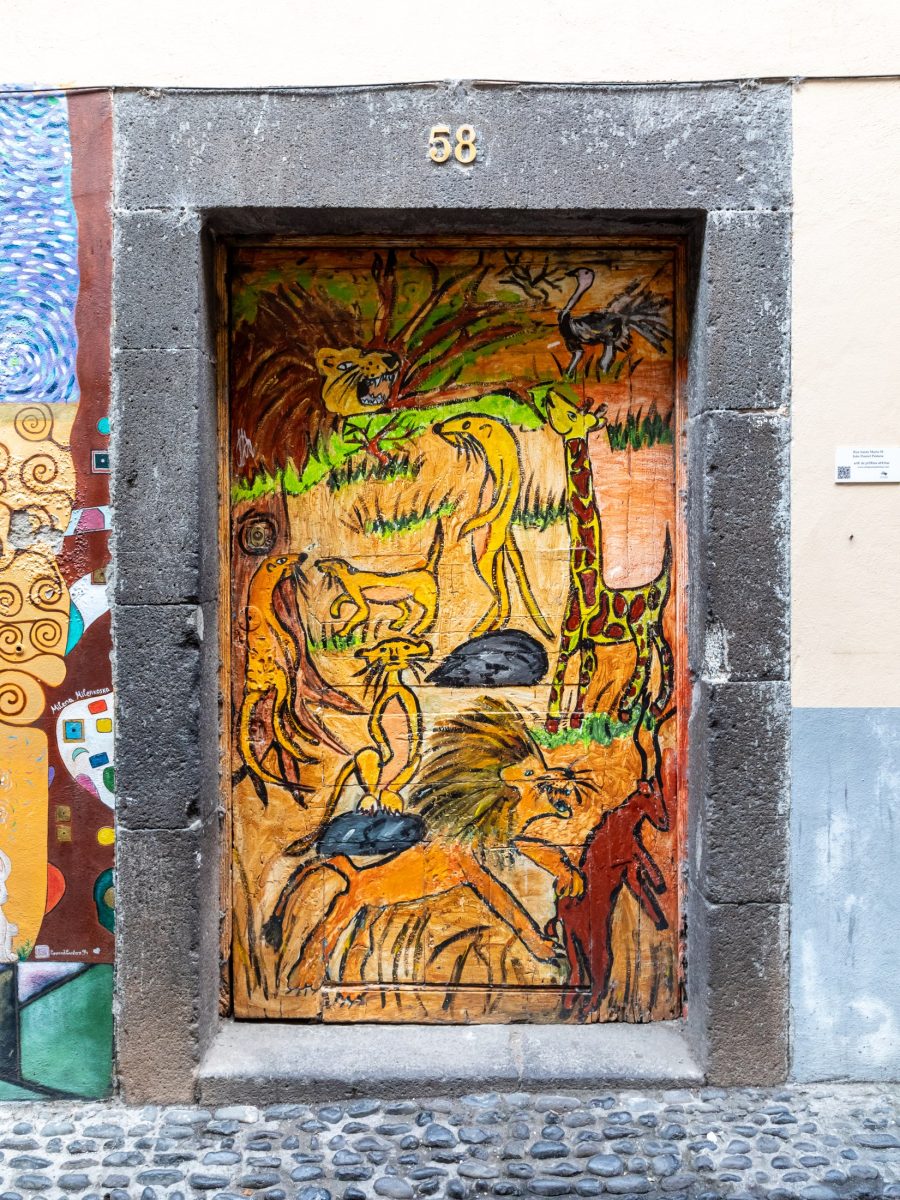
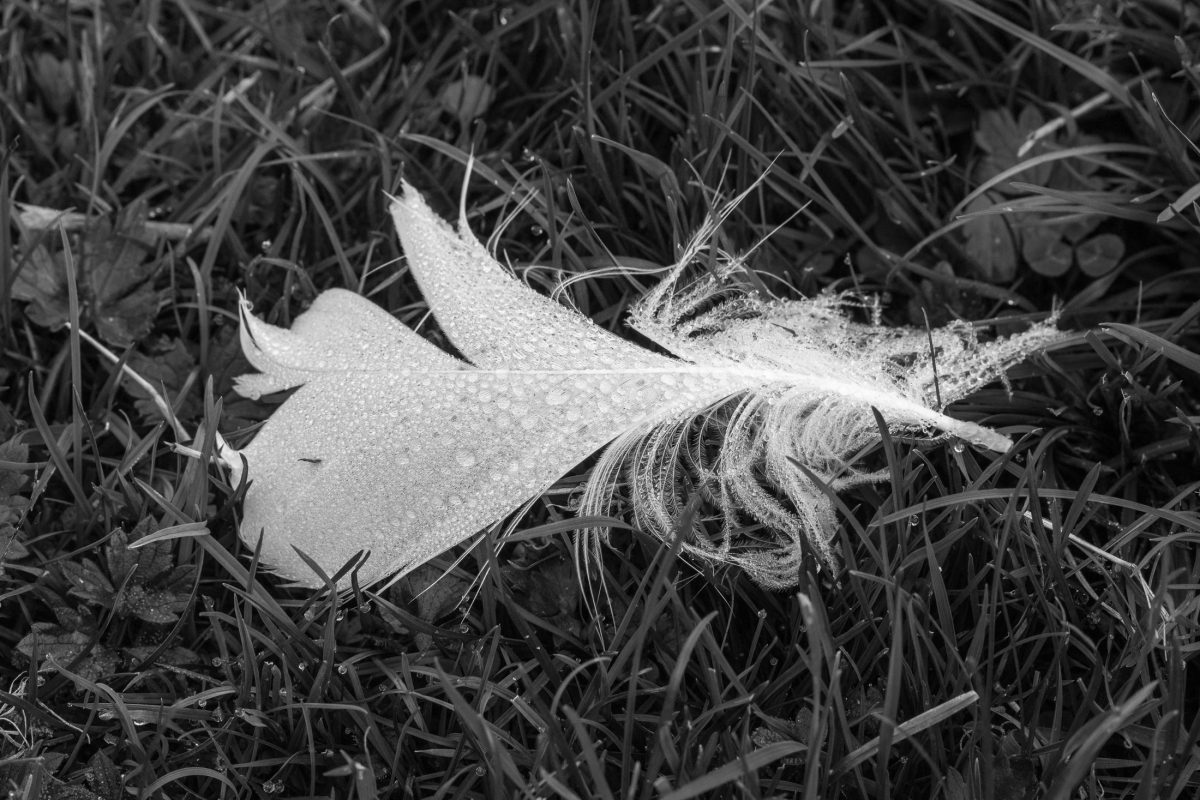
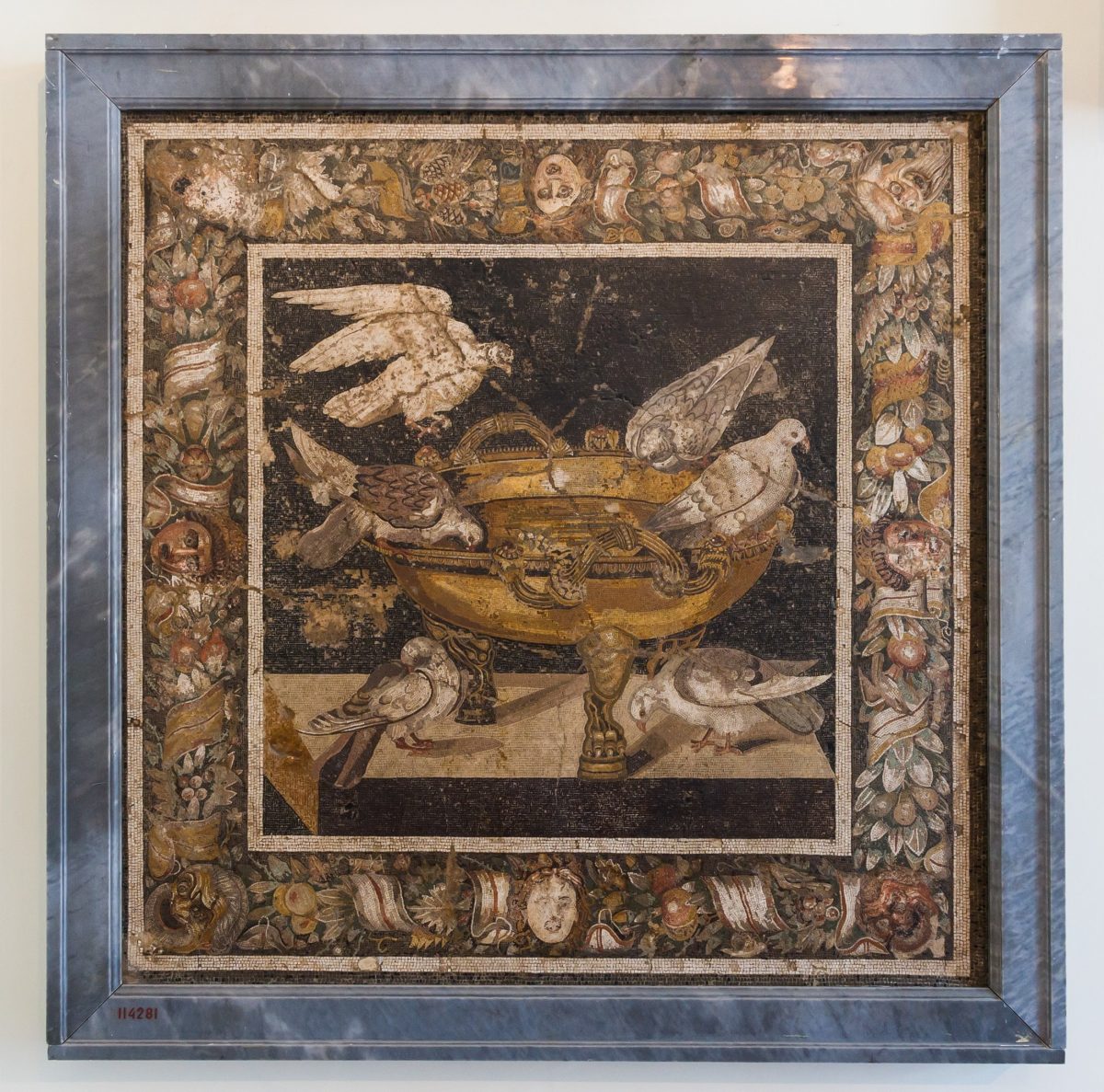

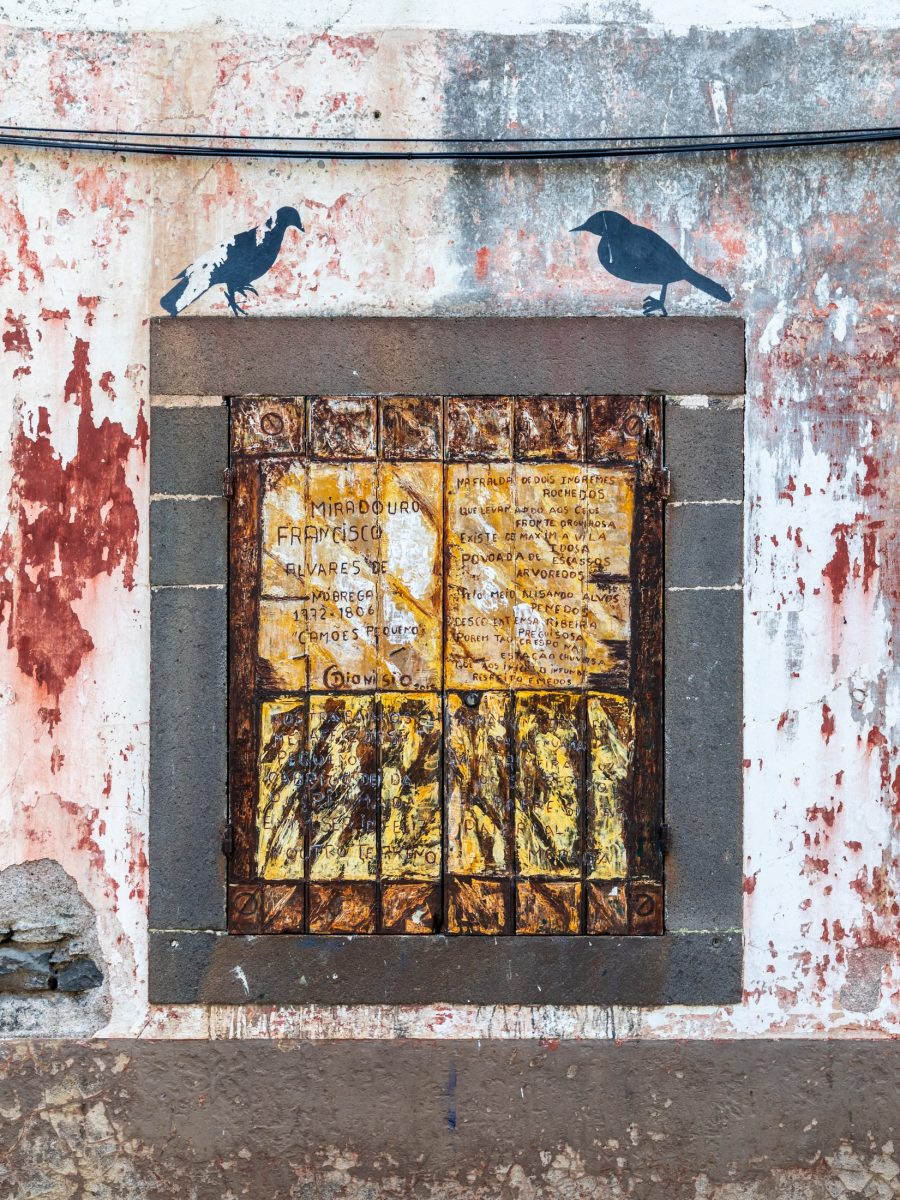


Series
-
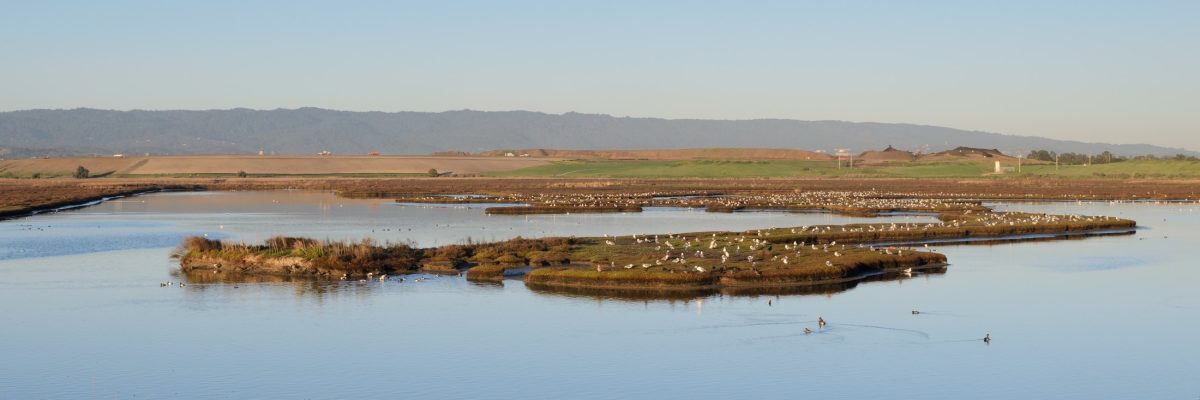
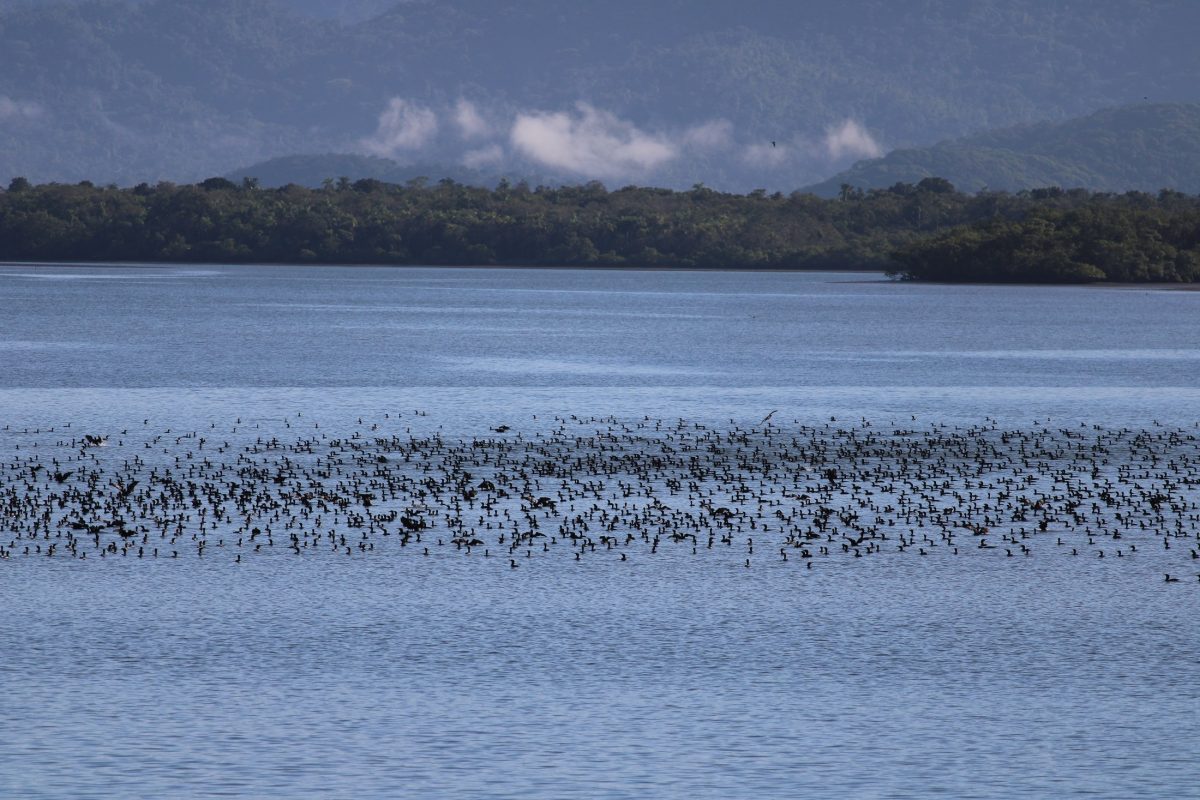
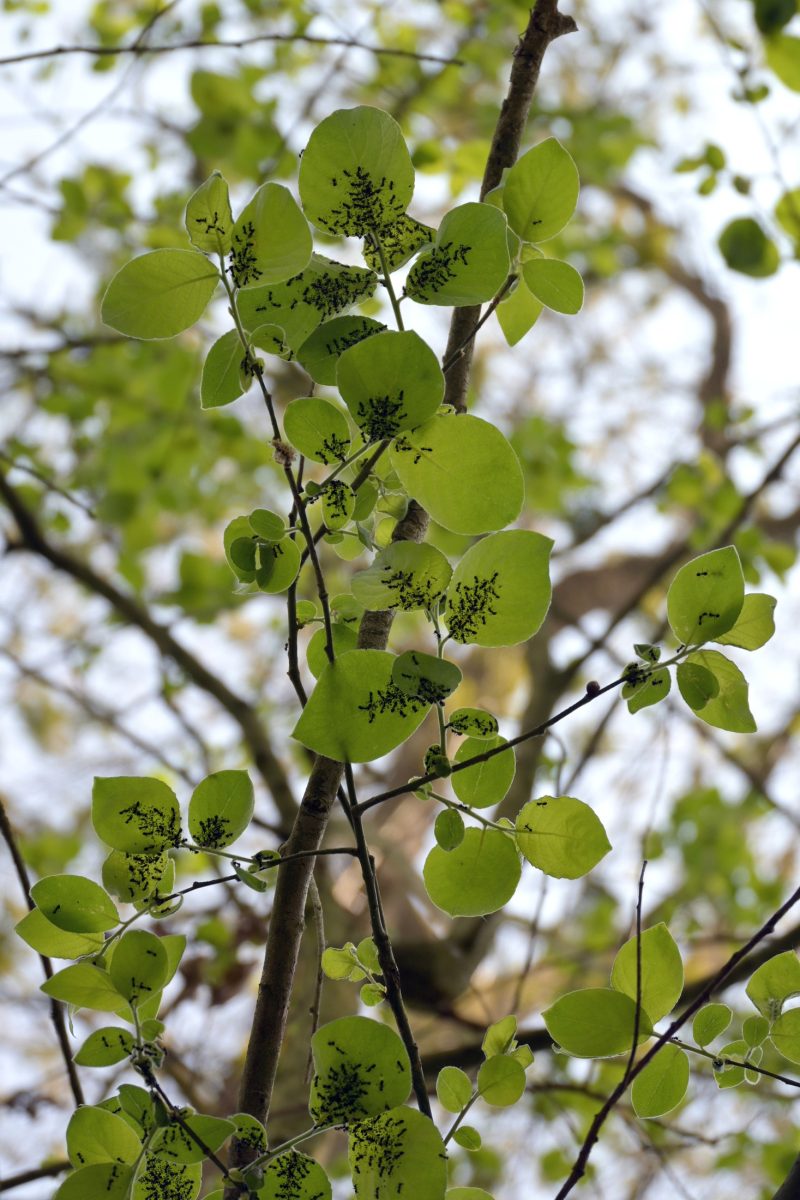
At distance
Work made with the long lenses, where you cannot get closer and would not be welcome if you could.
7 frames -
Built
Rooms, doors and the decisions people made about them a hundred years before I turned up.
6 frames -
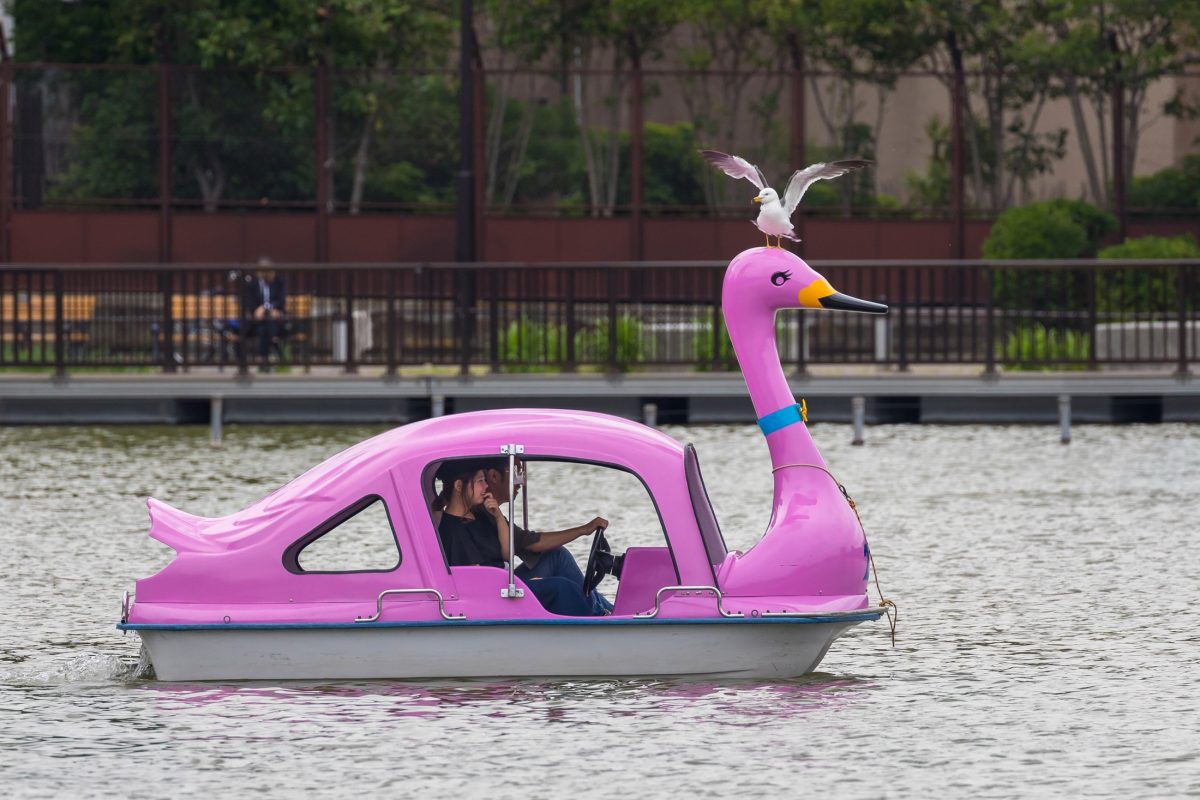
Field notes
Things seen while going somewhere else. Mostly close, mostly quick, mostly nothing much happening.
1 frame
What it was taken with
Counted from the files, not from memory. Of 14 frames, 43% were made in the normal, 35 to 70mm — which is a fact about the work rather than a claim about it.
By focal length
- Ultra-wide, under 24mm
- 1
- Wide, 24 to 35mm
- 2
- Normal, 35 to 70mm
- 6
- Short telephoto, 70 to 200mm
- 3
- Telephoto, 200mm and up
- 2
Bodies
- Canon EOS 5D Mark IV4
- Canon EOS 90D1
- Canon EOS M1
- DSLR-A5501
- Nikon D51001
- Nikon D72001
- Canon EOS Rebel T71
- Nikon D55001
- Nikon Z50_21
- Canon EOS REBEL T2i1
- OM-11
Where a figure is missing it is because the file does not carry it. Nothing here is estimated, and a frame with no EXIF is simply not counted rather than guessed at.
About the grain
The texture on this page is not an overlay. It is silver halide crystals, generated on the GPU, and their size is set by the median ISO of the photographs actually on screen — so a page of night work is coarser than a page of studio work, for the same reason a roll of 3200 is coarser than a roll of 100.
On the first screen it runs at full strength on a dark sheet, which is where an emulsion is visible. Everywhere else it is held down to a fifth of that, because body text sits on it and a texture that competes with reading is not a texture, it is a fault.